Five Easy Ways to Get Through a Workday Without Your Glasses

Whether you only wear glasses for reading, just use contact lens to better see the whiteboard, or need your prescription eyewear to see two feet in front of you, forgetting your glasses or contacts at home is a huge bummer, especially when you have a big day of work or school ahead. Luckily though, with a little common sense, a few easy tricks, and an abundance of helpful mobile apps, getting through a low-sight day at the office isn’t nearly as hard as it could be. In fact, with the proper preparation, it can be positively easy. Below are five of the best ways to get through such a day.

Keep a Spare Set at Work

If you can afford it, it never hurts to keep a spare set of glasses or contact lens in your work desk, locker, or car. Many eyewear providers even offer discount deals if you buy more than one set of your prescription at a time. If you can’t afford to buy two high-quality pairs of glasses, then it’s never a bad idea to test out a few of those cheap-o reading glasses that they sell at drug stores. With a little luck, you’ll find a pair that will get you through the day when you’ve left your normal glasses on your bedside table.


Pick Up a Cheap Pair at the Drug Store

If you don’t have a spare pair at work, you can still always run down to a nearby drugstore and pick up a cheap pair of reading glasses. Though they’ll likely be of slightly lesser quality than your prescription pair, they will get the job done and help you throughout the day.


Try Out One of Several Mobile Apps

The tech explosion in the last few years isn’t all about fun and games â€" it’s also about helping people in their daily lives. No single technology does this better than the variety of mobile apps that are now available on iPhones, Androids, and other smartphones. Perform a quick search in your phone’s app store for something along the lines of “vision improvement,” “forgot my glasses,” or “low-vision apps” and you’re sure to be bombarded with results. A few of the best for those days when you forget or lose your glasses are iMagnify and VisionAssist. They both turn your phone into a high-powered magnifying glass that helps you read fine print and see tiny objects.


Make Use of Your Computer’s Vision-Impaired Settings

If you have a computer-heavy job that requires that you stare at a screen all day, spending a day without your glasses can have a real strain on your eyes. However, your computer is loaded with settings for the vision-impaired that you can utilize to your benefit. The most useful of these settings are the ones that increase the size of the text on your screen. In some cases, new computers even come preset with nifty zoom-in functions so seeing something up close is a snap.


Improve Your Vision at Home

There’s never anything wrong with taking preventive action at home. And apart from making sure that you remember your glasses, strengthening your vision is the best way to do this. Similar to the ones mentioned above, there are a variety of vision improvements apps available that can help you increase your vision and improve your eyesight. GlassesOff is one of the most progressive among these. It is a scientist-backed brain-training app that helps your brain learn to process blurry images.

Forgetting your glasses before a big day at work or school can seem like the end of the world. But by following the five easy tips discussed above, you’ll find that it really isn’t too hard to power through a day without your trusty prescription eyewear.

Jack Douglas is an app developer with a penchant for vision enhancement apps. He likes sharing his findings on various tech blogs. Learn about ordering prescription lenses online by visiting the Lenstore.

Related Posts Plugin for WordPress, Blogger...

Keep Calm And Carry On, Except When It Comes To Cancer

The British have long said, "Keep calm and carry on." But the catchphrase may need an update for health care.

Keepcalm-o-matic.co.uk

The British have long said, "Keep calm and carry on." But the catchphrase may need an update for health care.

Keepcalm-o-matic.co.uk

Restraint and unflappability are just about as British as Big Ben and English Breakfast.

But could that national "stiff upper lip" be keeping the British from getting proper cancer care?

A survey looking at why people in different countries avoid doctors finds that stoicism may be one reason why Britain's cancer survival rates lag behind its neighbors.

In the study, published in the British Journal of Cancer, researchers interviewed 19,079 people over age 50 in the U.K., Canada, Australia and the Scandinavian countries.

By far, the Brits were the most likely to cite embarrassment and not wanting to waste the doctor's time as reasons for not calling the doctor when cancer symptoms cropped up.

"There was such a big difference between the U.K. and other countries that it's very likely to be important," says Dr. Lindsay Forbes, a psychiatrist at King's College London, who led the study. "It's speculative, but it may be because the 'stiff upper lip' is distinctly ingrained in the culture."

Despite having a health care system that's just as good, the British are less likely to survive lung, breast or ovarian cancers than their Scandinavian neighbors â€" especially during the first year after a diagnosis.

Previous studies had hinted at this British reluctance to see a doctor when they suspect a problem. And Lindsey thought that the tendency to "keep calm and carry on" was at play.

So she and her team decided to probe the underlying attitudes in different cultures.

About one-third of the British interviewed admitted that concerns about wasting the doctor's time could cause them to delay visiting the doctor. In contrast, only about 10 percent of the Scandinavians, Australians and Canadians voiced such worries.

"This is an older population who really support the NHS [National Health Service], and they don't want to waste its time," Forbes says. "They think, 'The NHS should be helping young children or people other than me.' "

The British also were most likely to cite both potential embarrassment and fear about what the doctor might discover as reasons for delaying medical attention for serious symptoms.

Lindsey says a stiff upper lip "is not the whole story" behind why Britain's cancer survival rates are relatively low compared to those in other wealthy nations. "But we don't want to wait before we get the whole story before we start tackle this big problem," she tells Shots.

The government has already launched a campaign with posters and TV ads that encourage people to brush aside their stoicism and see a doctor.

Interestingly, the BBC ran a special series last October looking at the history of the British stiff upper lip. With footballers and tennis stars perennially crying on TV, the comedian Ian Hislop concluded that the phenomenon may be disappearing.

"I think that the younger generation may not have such a stiff lip," Forbes agrees. "But for the population most likely to get cancer, it doesn't seem to be going away."

Five Easy Ways to Get Through a Workday Without Your Glasses

Whether you only wear glasses for reading, just use contact lens to better see the whiteboard, or need your prescription eyewear to see two feet in front of you, forgetting your glasses or contacts at home is a huge bummer, especially when you have a big day of work or school ahead. Luckily though, with a little common sense, a few easy tricks, and an abundance of helpful mobile apps, getting through a low-sight day at the office isn’t nearly as hard as it could be. In fact, with the proper preparation, it can be positively easy. Below are five of the best ways to get through such a day.

Keep a Spare Set at Work

If you can afford it, it never hurts to keep a spare set of glasses or contact lens in your work desk, locker, or car. Many eyewear providers even offer discount deals if you buy more than one set of your prescription at a time. If you can’t afford to buy two high-quality pairs of glasses, then it’s never a bad idea to test out a few of those cheap-o reading glasses that they sell at drug stores. With a little luck, you’ll find a pair that will get you through the day when you’ve left your normal glasses on your bedside table.


Pick Up a Cheap Pair at the Drug Store

If you don’t have a spare pair at work, you can still always run down to a nearby drugstore and pick up a cheap pair of reading glasses. Though they’ll likely be of slightly lesser quality than your prescription pair, they will get the job done and help you throughout the day.


Try Out One of Several Mobile Apps

The tech explosion in the last few years isn’t all about fun and games â€" it’s also about helping people in their daily lives. No single technology does this better than the variety of mobile apps that are now available on iPhones, Androids, and other smartphones. Perform a quick search in your phone’s app store for something along the lines of “vision improvement,” “forgot my glasses,” or “low-vision apps” and you’re sure to be bombarded with results. A few of the best for those days when you forget or lose your glasses are iMagnify and VisionAssist. They both turn your phone into a high-powered magnifying glass that helps you read fine print and see tiny objects.


Make Use of Your Computer’s Vision-Impaired Settings

If you have a computer-heavy job that requires that you stare at a screen all day, spending a day without your glasses can have a real strain on your eyes. However, your computer is loaded with settings for the vision-impaired that you can utilize to your benefit. The most useful of these settings are the ones that increase the size of the text on your screen. In some cases, new computers even come preset with nifty zoom-in functions so seeing something up close is a snap.


Improve Your Vision at Home

There’s never anything wrong with taking preventive action at home. And apart from making sure that you remember your glasses, strengthening your vision is the best way to do this. Similar to the ones mentioned above, there are a variety of vision improvements apps available that can help you increase your vision and improve your eyesight. GlassesOff is one of the most progressive among these. It is a scientist-backed brain-training app that helps your brain learn to process blurry images.

Forgetting your glasses before a big day at work or school can seem like the end of the world. But by following the five easy tips discussed above, you’ll find that it really isn’t too hard to power through a day without your trusty prescription eyewear.

Jack Douglas is an app developer with a penchant for vision enhancement apps. He likes sharing his findings on various tech blogs. Learn about ordering prescription lenses online by visiting the Lenstore.

Related Posts Plugin for WordPress, Blogger...

Keep Calm And Carry On, Except When It Comes To Cancer

The British have long said, "Keep calm and carry on." But the catchphrase may need an update for health care.

Keepcalm-o-matic.co.uk

The British have long said, "Keep calm and carry on." But the catchphrase may need an update for health care.

Keepcalm-o-matic.co.uk

Restraint and unflappability are just about as British as Big Ben and English Breakfast.

But could that national "stiff upper lip" be keeping the British from getting proper cancer care?

A survey looking at why people in different countries avoid doctors finds that stoicism may be one reason why Britain's cancer survival rates lag behind its neighbors.

In the study, published in the British Journal of Cancer, researchers interviewed 19,079 people over age 50 in the U.K., Canada, Australia and the Scandinavian countries.

By far, the Brits were the most likely to cite embarrassment and not wanting to waste the doctor's time as reasons for not calling the doctor when cancer symptoms cropped up.

"There was such a big difference between the U.K. and other countries that it's very likely to be important," says Dr. Lindsay Forbes, a psychiatrist at King's College London, who led the study. "It's speculative, but it may be because the 'stiff upper lip' is distinctly ingrained in the culture."

Despite having a health care system that's just as good, the British are less likely to survive lung, breast or ovarian cancers than their Scandinavian neighbors â€" especially during the first year after a diagnosis.

Previous studies had hinted at this British reluctance to see a doctor when they suspect a problem. And Lindsey thought that the tendency to "keep calm and carry on" was at play.

So she and her team decided to probe the underlying attitudes in different cultures.

About one-third of the British interviewed admitted that concerns about wasting the doctor's time could cause them to delay visiting the doctor. In contrast, only about 10 percent of the Scandinavians, Australians and Canadians voiced such worries.

"This is an older population who really support the NHS [National Health Service], and they don't want to waste its time," Forbes says. "They think, 'The NHS should be helping young children or people other than me.' "

The British also were most likely to cite both potential embarrassment and fear about what the doctor might discover as reasons for delaying medical attention for serious symptoms.

Lindsey says a stiff upper lip "is not the whole story" behind why Britain's cancer survival rates are relatively low compared to those in other wealthy nations. "But we don't want to wait before we get the whole story before we start tackle this big problem," she tells Shots.

The government has already launched a campaign with posters and TV ads that encourage people to brush aside their stoicism and see a doctor.

Interestingly, the BBC ran a special series last October looking at the history of the British stiff upper lip. With footballers and tennis stars perennially crying on TV, the comedian Ian Hislop concluded that the phenomenon may be disappearing.

"I think that the younger generation may not have such a stiff lip," Forbes agrees. "But for the population most likely to get cancer, it doesn't seem to be going away."

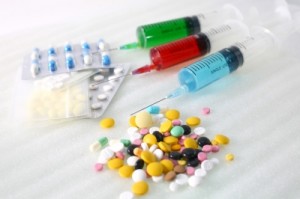
What Drugs are Used for Treatment Of Hypertension?

If you have hypertension (systolic blood pressure of 140 mmHg or more and diastolic blood pressure of 90 mmHg or more) it should be adequately treated with approved drugs/medications and by dietary modifications and lifestyle changes. If yo have pre-hypertension (systolic blood pressure of 121-139 mmHg and diastolic blood pressure of 81-89 mmHg) it is time you adopt healthy lifestyle and healthy eating habits to prevent pre-hypertension from becoming a hypertension.

Generally goal of treatment of hypertension is to bring blood pressure to 120/80 mmHg if you have no complication and you are healthy. The goal of treatment of hypertension may be different for different individuals, e.g. if you are an elderly person the target blood pressure may be much higher than 120/80 mmHg (i.e. 140/90 mmHg).

For all patients of hypertension, lifestyle changes and dietary changes are essential for optimal management. Without lifestyle and dietary changes towards healthier side, the management of hypertension may be incomplete.

Medications form the mainstay of management of hypertension, because with lifestyle changes and dietary changes it may not be possible to bring blood pressure to the target level.

Commonly used anti-hypertensive drugs:

1. Thiazide diuretics:

Diuretics (commonly known as water pills) are commonly used for treatment of hypertension. Hydrochlorothiazide is most commonly used for this purpose. It is one of the first line medications for treatment of hypertension. These drugs reduce water and sodium content and improves elasticity of blood vessels.

2. Beta-blockers:

These drugs reduce workload of heart by reducing heart rate and force of contraction of heart. They also reduce sympathetic activity thereby reduce workload of heart. Examples of beta-blockers are atenolol, metoprolol, bisoprolol etc. If used alone they may not work well in blacks and should be combined with diuretics (Hydrochlorothiazide).

3. Calcium channel blockers:

These drugs helps in relaxing the muscles of blood vessels (arteries mainly) and thereby reduce blood pressure. Some of these drugs reduce heart rate also. Examples of calcium channel blockers are amlodipine, nifedipine, verapamil, diltiazem etc.

4. ACE (Angiotensin-converting enzyme) inhibitors:

These drugs relax blood vessels by inhibiting natural chemical that constricts blood vessels, i.e. angiotensin-II. Examples of ACE inhibitors are enalapril, lisinopril, parindopril, ramipril, captopril etc.

5. Angiotensin receptor blockers:

These drugs act by blocking the action of angiotensin-II (constriction of blood vessels) at receptor level. Examples of Angiotensin receptor blockers are losartan, telmisartan etc.

There are also other anti-hypertensive drugs which are used for treatment of hypertension in special situations such as pregnancy, hypertensive emergencies (severe rise in blood pressure, e.g. systolic pressure of over 200 mmHg and need immediate medical intervention to reduce blood pressure) etc.

Centrally acting agents:

These agents prevent signals from brain that cause heart rate to increase and blood vessels to contract, e.g. methyledopa, which is commonly used to treat hypertension during pregnancy.

Vasodilators:

These drugs cause dilatation of blood vessels thereby reduce blood pressure. These agents are used for treating hypertensive emergencies. Example is sodium nitropruside.

Alpha-blockers:

These agents cause dilatation of blood vessels by reducing nerve impulse to blood vessels. Examples of alpha-blockers is prazosin, terazosin etc.

Image courtesy of scottchan / FreeDigitalPhotos.net

Related Posts Plugin for WordPress, Blogger...

Related posts:

  • Know What Hypertension is
  • What are the Complications of Hypertension?
  • What is Hypertension or High Blood Pressure? My Explanation
  • Points to Remember by Hypertensive Person
  • What type of Diet should be taken in Hypertension
  • Diet and High Blood Pressure
  • Are You at Risk Of Hypertension? Find Out
  • Dietary Advise for Hypertension
  • Diet to be avoided in Hypertension
  • Know About DASH Diet
  • NIH Revisits Debate On Controversial Bird Flu Research

    A prefectural officer carries a chicken on a poultry farm on October 15 on the outskirts of Kathmandu, Nepal, where chickens suspected of being infected with bird flu were found.

    Prakash Mathema /AFP/Getty Images

    A prefectural officer carries a chicken on a poultry farm on October 15 on the outskirts of Kathmandu, Nepal, where chickens suspected of being infected with bird flu were found.

    Prakash Mathema /AFP/Getty Images

    On Tuesday, the National Institutes of Health in Maryland is holding a second day of talks about whether and how to continue funding some controversial scientific experiments.

    Back in January, virologists agreed to temporarily stop research that was creating new forms of bird flu, because critics argued that the work was too dangerous. NIH officials are now seeking input from scientists and the public about how to proceed.

    Scientists, national security experts and public health workers have come from all over â€" including places like the United Kingdom, Hong Kong, Italy, Indonesia and Vietnam â€" to discuss thorny issues raised by the research.

    "The subject of this meeting literally affects every individual in the world," noted Harvey Fineberg, president of the Institute of Medicine of the National Academies, who is helping to run the conference. "Every citizen in every country has a stake in the research that will or will not go forward with respect to these highly pathogenic agents."

    These pathogenic agents are altered forms of the bird flu virus known as H5N1. H5N1 is widespread in poultry in parts of Asia and the Middle East, but it rarely infects people. Over half of those who are known to have gotten sick, however, have died.

    Public health experts worry that the virus might mutate, begin spreading from person to person, and start a pandemic. Last year, NIH-funded researchers showed that certain genetic mutations could indeed make H5N1 spread easily between ferrets, the lab stand-in for people.

    When word got out that scientists had created these mutant viruses, there was an uproar.

    "There was an explosion of reaction, sometimes bordering on the very extreme," recalled Anthony Fauci, the director of the National Institute of Allergy and Infectious Diseases. One New York Times editorial called it "An Engineered Doomsday."

    So flu virologists around the world agreed to temporarily hold off on this kind of research. But some, like Ron Fouchier of Erasmus Medical Center in the Netherlands, thinks it's essential to get back to work.

    Fouchier says what is learned from this research could help public health experts do things like spot an emerging pandemic, or develop vaccines. In his view, it's irresponsible to not follow-up on his initial experiments.

    "All of this research is aimed to prevent flu pandemics or to mitigate their impact if they cannot be prevented altogether," Fouchier says.

    Others are not so convinced, and say that if an engineered bird flu virus fell into the wrong hands or escaped the lab, it could kill millions.

    "Once novel flu gets going in the population it's unlikely we could stop it," says Thomas Inglesby, with the Center for Biosecurity at the University of Pittsburgh Medical Center.

    Inglesby thinks the moratorium should continue, but that if the NIH decides that it will fund more research on altered forms of H5N1 that everyone should acknowledge the risks.

    "I think we should also proceed in unprecedented biosafety conditions and with international agreements on how to proceed," he says.

    Officials have drafted a set of proposed criteria to help them decide whether and when to fund this kind of research in the future. For example, a proposed experiment would have to address a scientific question with high significance to public health, and there would have to be no feasible alternative methods to address the same question in a less-risky way.

    One of the reasons NIH is holding this conference is to see what people think of that proposed framework.

    This question of the moratorium can't be decided at this meeting because not all of the researchers who signed onto it are funded by NIH. But what the NIH says and does is influential, so what comes of this meeting and how it is incorporated into NIH decision-making could be important.

    On the agenda for Tuesday is a discussion of what kinds of lab safety measures should be in place to do this kind of work. Some experts say it should be restricted to the most secure labs possible. Others say that would needlessly slow down research that's vital for understanding the threat of naturally-occurring flu pandemics.

    A video of the meeting will be posted online for those who could not attend, and NIH officials say they'll be accepting emailed comments on their proposed framework for decision-making until January 10, 2013.

    What Drugs are Used for Treatment Of Hypertension?

    If you have hypertension (systolic blood pressure of 140 mmHg or more and diastolic blood pressure of 90 mmHg or more) it should be adequately treated with approved drugs/medications and by dietary modifications and lifestyle changes. If yo have pre-hypertension (systolic blood pressure of 121-139 mmHg and diastolic blood pressure of 81-89 mmHg) it is time you adopt healthy lifestyle and healthy eating habits to prevent pre-hypertension from becoming a hypertension.

    Generally goal of treatment of hypertension is to bring blood pressure to 120/80 mmHg if you have no complication and you are healthy. The goal of treatment of hypertension may be different for different individuals, e.g. if you are an elderly person the target blood pressure may be much higher than 120/80 mmHg (i.e. 140/90 mmHg).

    For all patients of hypertension, lifestyle changes and dietary changes are essential for optimal management. Without lifestyle and dietary changes towards healthier side, the management of hypertension may be incomplete.

    Medications form the mainstay of management of hypertension, because with lifestyle changes and dietary changes it may not be possible to bring blood pressure to the target level.

    Commonly used anti-hypertensive drugs:

    1. Thiazide diuretics:

    Diuretics (commonly known as water pills) are commonly used for treatment of hypertension. Hydrochlorothiazide is most commonly used for this purpose. It is one of the first line medications for treatment of hypertension. These drugs reduce water and sodium content and improves elasticity of blood vessels.

    2. Beta-blockers:

    These drugs reduce workload of heart by reducing heart rate and force of contraction of heart. They also reduce sympathetic activity thereby reduce workload of heart. Examples of beta-blockers are atenolol, metoprolol, bisoprolol etc. If used alone they may not work well in blacks and should be combined with diuretics (Hydrochlorothiazide).

    3. Calcium channel blockers:

    These drugs helps in relaxing the muscles of blood vessels (arteries mainly) and thereby reduce blood pressure. Some of these drugs reduce heart rate also. Examples of calcium channel blockers are amlodipine, nifedipine, verapamil, diltiazem etc.

    4. ACE (Angiotensin-converting enzyme) inhibitors:

    These drugs relax blood vessels by inhibiting natural chemical that constricts blood vessels, i.e. angiotensin-II. Examples of ACE inhibitors are enalapril, lisinopril, parindopril, ramipril, captopril etc.

    5. Angiotensin receptor blockers:

    These drugs act by blocking the action of angiotensin-II (constriction of blood vessels) at receptor level. Examples of Angiotensin receptor blockers are losartan, telmisartan etc.

    There are also other anti-hypertensive drugs which are used for treatment of hypertension in special situations such as pregnancy, hypertensive emergencies (severe rise in blood pressure, e.g. systolic pressure of over 200 mmHg and need immediate medical intervention to reduce blood pressure) etc.

    Centrally acting agents:

    These agents prevent signals from brain that cause heart rate to increase and blood vessels to contract, e.g. methyledopa, which is commonly used to treat hypertension during pregnancy.

    Vasodilators:

    These drugs cause dilatation of blood vessels thereby reduce blood pressure. These agents are used for treating hypertensive emergencies. Example is sodium nitropruside.

    Alpha-blockers:

    These agents cause dilatation of blood vessels by reducing nerve impulse to blood vessels. Examples of alpha-blockers is prazosin, terazosin etc.

    Image courtesy of scottchan / FreeDigitalPhotos.net

    Related Posts Plugin for WordPress, Blogger...

    Related posts:

  • Know What Hypertension is
  • What are the Complications of Hypertension?
  • What is Hypertension or High Blood Pressure? My Explanation
  • Points to Remember by Hypertensive Person
  • What type of Diet should be taken in Hypertension
  • Diet and High Blood Pressure
  • Are You at Risk Of Hypertension? Find Out
  • Dietary Advise for Hypertension
  • Diet to be avoided in Hypertension
  • Know About DASH Diet
  • Powered by Health Center Health Belief Model,Health Center,Health Care System,Spectrum Health,Health And Hygiene,Health Is Wealth,Discovery Health